News and Press releases
Search news and press releases
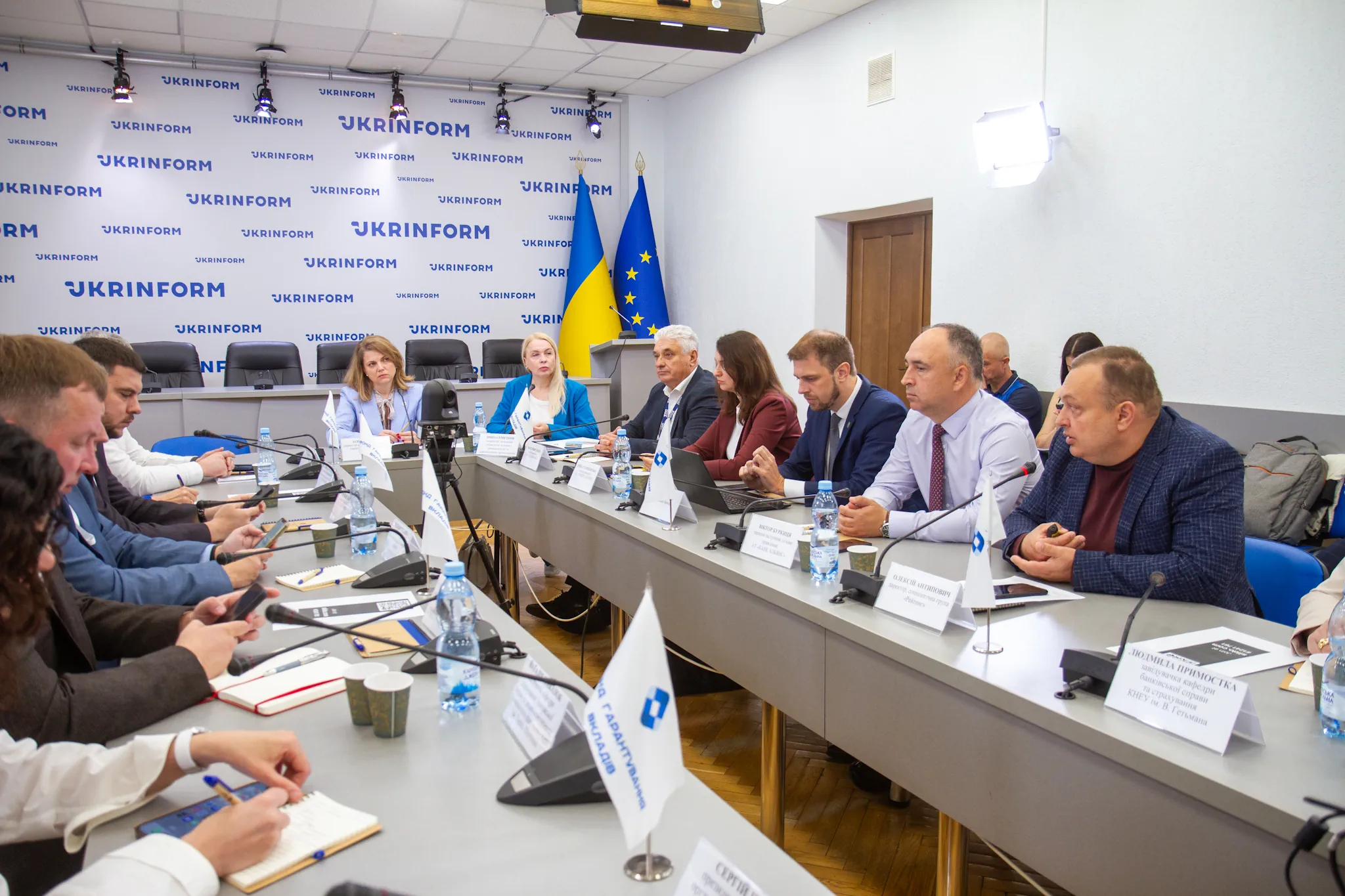
On June 25, 2025, the Deposit Guarantee Fund presented the results of a nationwide survey on financial services consumers' awareness of the deposit guarantee system. For the second time since 2022, data for this socio-economic study was collected by Rating Group.
“We understand how much Ukraine has changed since the start of the full-scale invasion... And it is important that, despite such colossal changes, the data shows growing confidence in the banking system and the Deposit Guarantee Fund,” said Oleksiy Antypovych, CEO of Rating Group.
Links:

On June 24, 2025, the Deposit Guarantee Fund presented the results of a new study of the financial habits of Ukrainians. The data for this study - for the second time since the beginning of the full-scale invasion - was collected by the Rating Group.
In spring, Rating Group interviewed Ukrainians who have bank accounts and/or use any financial services. According to the data, our partners learned, in particular, the following:
- Confidence in banks is growing despite the full-scale war (68% in 2025 compared to 56% in 2021)
- When choosing a bank, respondents primarily consider its reliability/stability (54%)
- There is a demand for information on bank deposit guarantee (35%) and compensation to depositors of bankrupt banks (30%)
The research report (ukr.) is available on the website of the Deposit Guarantee Fund and in the attached file.

As part of the global End of Year Survey by Gallup International (conducted at the end of 2024), Rating Group asked Ukrainians: does a mobile device improve the quality of their life?
The End of Year Survey (EoY) is an annual global survey by Gallup International which studies opinions of people in different countries. It includes the topics of the future, happiness, and economic expectations. In 2024, 35 882 respondents were surveyed in 35 countries.
This is the second time the Rating Group conducted the EoY survey in Ukraine.
Key Findings
- The vast majority of Ukrainians (92%) feel that a mobile device improves the quality of their life to one degree or another.
- In the world overall, the prevailing opinion is that a mobile device improves the quality of life (84%). That is, Ukraine is among the countries with the most positive perception of the mobile devices' role.
- Among the countries where a mobile device significantly improves the quality of life, China, Malaysia, Kenya and South Korea stand out.
- In Iraq, Armenia, and Japan, the share of people who see benefits in mobile device is the smallest. Nevertheless, in these countries, the majority of respondents still believe that mobile devices improve life.
Rating Group found out how Ukrainians perceive happiness and life during the war. This is a part of the global End of Year Survey by Gallup International (conducted at the end of 2024).
The End of Year Survey (EoY) is an annual global survey by Gallup International which studies opinions of people in different countries. It includes the topics of the future, happiness, and economic expectations. In 2024, 35 882 respondents were surveyed in 35 countries.
This is the second time the Rating Group conducted the EoY survey in Ukraine.
Key Findings
- In terms of happiness, Ukraine is second from the bottom among the 35 countries that participated in the study (last is India): only 33% of Ukrainians feel happy. Instead, 28% are unhappy.
- About 40% of Ukrainians choose the option "in the middle" between feeling happy/unhappy. In the context of war, this indicates rather the experience of contrasting, changing emotions (from elation to despair, depending on the situation).
- And although more than a third of respondents worry a lot about their lives, the majority of Ukrainians (62%) still perceive life "as it is", adapting to the realities of war.
- The percentage of the answer "very worried" in Ukraine practically coincides with the world average. Colombia, Argentina, Japan, Iran, and India are the countries with the largest shares of respondents who are worried abouth their life.
- In contrast, in Saudi Arabia, China, South Korea, Azerbaijan, Indonesia, Kazakhstan, have the smallest share of those who worry a lot about their lives.
Data collected by Rating Group became the basis of an important study "What motivates women to stay in Ukraine?" This is a project of our partners: Center for Economic Strategy and the Institute for Behavioral Studies at the American University Kyiv.
An online survey of Ukrainian women in Ukraine and abroad was conducted on January 23-30 on the Rating Online platform. The research team found out that:
- The vast majority of women (75%) do not plan to move abroad, but young women aged 18-29 (26%) are relatively more likely to have such a desire
- The main reasons for staying in Ukraine are family (91%) and a sense of belonging to Ukraine (88%), own housing/household (72%) and established infrastructure
- The main motivators for leaving are the desire for a better standard of living (75%) and security (73%)
- Ukrainian women abroad assess all risks of living in Ukraine much higher than women in Ukraine
More results of the study are in the research report (available in the attached file and on the website of the Center for Economic Strategy).
The study was conducted with the support of the UK Government through the UK Department for International Development as part of the project to support the Government of Ukraine in developing and implementing evidence-based policies to address demographic challenges, implemented by UNFPA, the United Nations Population Fund in Ukraine in cooperation with the Ministry of Social Policy of Ukraine, in collaboration with the NGO “UA Experts”.
On May 16, the Sociological Group Rating conducted a nationwide survey of the adult population of Ukraine on the topic of negotiations that took place in Turkey.
- According to the results, the absolute majority of respondents (74%) support the initiative of a 30-day ceasefire without any conditions.
- Most consider President Zelensky's last visit to Turkey a success (53%).
- The level of trust in President Zelensky among Ukrainians has stabilized at 70%, which is higher than at the beginning of the year (53-58%).
- Despite the fact that only a quarter of respondents believe that the talks in Turkey will bring us closer to peace, the respondents believe that Ukraine should continue to show openness to negotiations, and that President Zelensky (47%) can participate in them, even in the absence of Putin.
- According to Ukrainians, the main reasons for Putin's absence from the negotiations are unwillingness to end the war (54%) and fear (22%).
On May 6, 2025, a report of the joint study by the Rating Group, Steel Swallow Community, Zagoriy Foundation, and Halt Space on the topic of civil-military partnership in Ukraine was released. The research team learned the views of Ukrainian military personnel and civilians, identifying the main development prospects and barriers for cooperation.
Data collection consisted of three stages:
- Qualitative survey of civilians: focus groups and in-depth interviews with civilians aged 22-55.
- Quantitative survey of civilians: telephone survey (CATI) of the adult population of Ukraine (aged 18+).
- Qualitative survey of the military: in-depth interviews with military personnel aged 22-55.
The report is available in the attached file and on the Steel Swallow Community website.
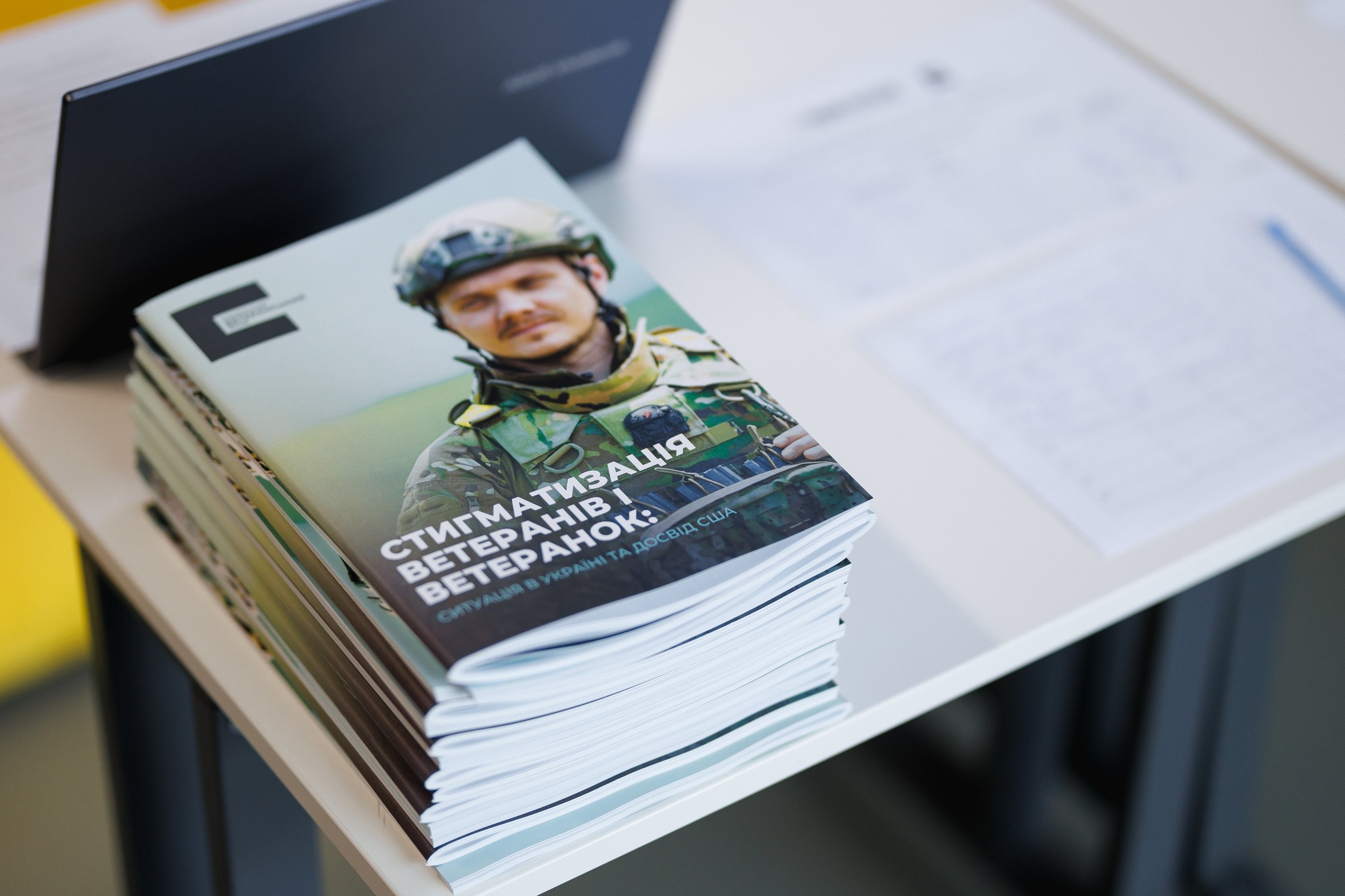
Civilians respect veterans, but do not always understand their experience. Therefore, certain positive and negative stereotypes and challenges for the adaptation of veterans are formed.
This is stated in the joint study "Stigmatization of Veterans: The Situation in Ukraine and the Experience of the USA" by the Ukrainian Veterans Foundation of the Ministry of Veteran Affairs, the Rating Group and Syracuse University, which was presented on April 17, 2025. Rating Group carried out the second stage of the study - an analysis of the views of the partners of veterans regarding their stigmatization.
The company's director Oleksiy Antipovych also joined the presentation of the results.
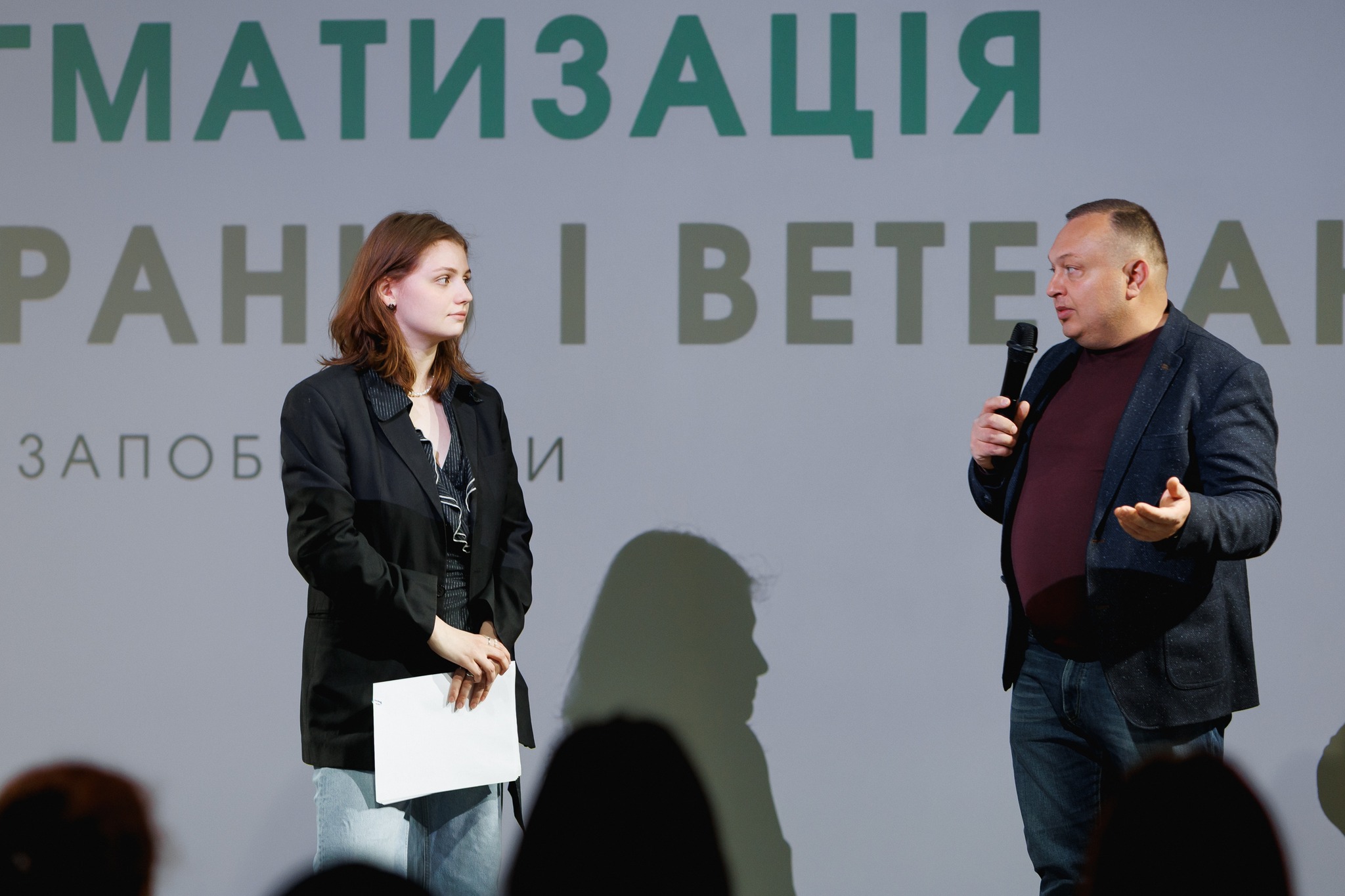
This project also continues our good tradition of cooperation with the Ukrainian Veterans Fund, which has been ongoing since researching the image of veterans and the challenges in their experience.
See the research report at the link.
Thank you to all partners for their cooperation!
On April 17, 2025, the presentation of the study “Stigmatization of Veterans and Veterans” took place. This is a joint project of the Ukrainian Veterans Fund of the Ministry of Veterans Affairs, Rating Group and Syracuse University.
The study consisted of three stages:
- In-depth interviews with veterans and veterans about the experience of stigmatization.
- Focus groups and in-depth interviews with partners of veterans and veterans, that is, analysis of observations of close people regarding stigmatization.
- Content analysis of news about events from the life of veterans and veterans.
Find out about the second stage of the study (conducted by the Rating Group) below:
The release of the study is also available at Ukrainian Veterans Fund website.
Stigmatization of veterans/ok: the view of loved ones
- According to relatives, the attitude of society towards veterans is generally better than before February 2022 (compared to the experience of ATO veterans, in particular).
- At the same time, civilians often show a misunderstanding of how to treat military and veterans. They have feelings of guilt, pity and fear towards veterans, as well as stereotypes regarding the psychological state.
- Stereotypes about veteran women and veterans with disabilities remain a challenge. Women veterans were distrusted because of the association of the military profession only with men, and the fact that women served in the military was perceived as a violation of gender roles.
- They show respect for veterans with disabilities, but there is ignorance about correct communication with them. This causes fear and separation from them.
- The image of veterans and veterans in the Ukrainian media is positive. Veterans are mostly depicted as courageous, strong, successful, heroic. But there may also be some unrealism of heroized images of veterans in the media.
- The media sometimes over-romanticizes the life of veterans, there is a shift in focus from problems in the lives of veterans and veterans
- Potential dangers of stigmatizing veterans: loss of authority, potential conflicts between military and civilians, feelings of injustice on the part of veterans.

Swedish society strongly opposes any concessions to Russia that could mean Ukraine's surrender in exchange for peace. This is the key insight of a recent Gallup Nordic/Novus study, which is based on a similar poll by the Rating Group among Ukrainians.
The “mirror” Gallup Nordic/Novus study is a powerful testament to the shared values of Ukraine and Sweden. It also confirms the international recognition of Ukrainian sociology's high standards. This was made possible, in particular, thanks to the effective cooperation of Tetiana Skrypchenko, Deputy Director of Rating Group, and Torbjörn Sjöström, CEO of Novus Group International AB & President of Gallup Nordic.
The results of the survey in Sweden are compared with data from the recent survey in Ukraine by Rating Group.
See the full research report on the website of Gallup Nordic or Novus.
Key Findings
- 75% of Swedes support Ukraine in the war against the Russian invasion.
- 72% of Swedes, like 81% of Ukrainians, are convinced that the best way to end the war is a compromise with international diplomatic support.
- Only 1% of Swedish citizens support a scenario in which Ukraine must agree to all the aggressor's demands. 61% also believe that Russia will become a greater threat to Sweden if it retains control over the occupied territories in Ukraine.
- 70% of Swedes support the creation of a common European military defense.
- Ukrainian President Volodymyr Zelensky enjoys exceptionally high support in Sweden (90%), while Russian president Vladimir Putin has an almost absolute negative evaluation (98%).
On February 22-24, 2025, the Rating Sociological Group conducted a public opinion survey on the issue of civilian captivity. The survey was carried out at the request of the NGO "NUN" within the framework of a grant provided by the EU Project "Pravo-Justice," which is implemented by Expertise France.
Key Findings
- 78% of respondents are either well-informed or have heard about the issue of civilian captivity.
- A vast majority (84%) are aware of or have heard about the Geneva Conventions and the prohibition of taking civilians captive.
- 16% of respondents have friends or acquaintances who have been or are currently in civilian captivity.
- The most common information encountered by those aware of civilian captivity relates to the release or exchange of captives (55%).
- The primary sources of such information include messenger channels (45%), social media (45%), television (41%), and online news media (35%).
- The majority of respondents believe that state authorities bear responsibility for addressing the issue of returning civilian hostages.
- 14% of respondents are aware of NGOs that work on the return of civilian hostages.
Awareness about the issue of civilian captivity
- 27% of respondents stated that they are well aware of the practice of the unlawful detention of civilians (non-military Ukrainians) in the temporarily occupied territories or in Russia—civilian captivity. About 51% have heard about it, while 22% said they know nothing about it.
- The most informed groups include respondents from central regions (33%), younger and middle-aged individuals (34% and 32%, respectively), and internally displaced persons (38%).
- Among those respondents who know about civilian captivity, 55% have heard information about the release or exchange of captives, 48% - about isolated, unsystematic reports on the existence of such a phenomenon without specifics, 21% - about the number of civilian captives, 17% - about the activities or initiatives of Ukrainian government bodies regarding this issue, and 14% - about the activities or initiatives of international authorities.
- Regarding the Geneva Conventions and the prohibition of taking civilians captive, 42% of Ukrainians are well aware of their existence, while another 42% have heard about them. Meanwhile, 15% of respondents are uninformed on the matter. The most knowledgeable groups include residents of central regions (46%), younger and middle-aged individuals (53% and 49%, respectively), men (48%), returned IDPs (47%), and those who are well-informed about civilian captivity (74%).
- 16% of Ukrainians have friends or acquaintances who have been or are currently in civilian captivity, while 83% do not. Such friends or acquaintances are more common among internally displaced persons (25%).
Sources of information about the civilian captivity
- Among the most common sources of information about prisoner exchanges, respondents most frequently mention messenger channels in Telegram or Viber (45%), social media (Facebook, Instagram, YouTube, and others) (45%), television (41%), and online news media (35%).
- Other sources cited include relatives and acquaintances (17%), radio (12%), and personal experience (4%). The general trend in responses remains consistent across various socio-demographic groups.
- At the same time, in western regions, respondents more often learn about prisoner exchanges through social media, while in other parts of Ukraine, Telegram or Viber channels are the primary sources. Younger respondents are more likely than other age groups to get information from messenger channels and acquaintances, whereas older respondents (51 and older) rely more on television and radio.
- Those who have relatives in captivity are more likely to learn about exchanges through online media, acquaintances, and personal experience, while those who do not have relatives in captivity most often rely on television.
Return of civilian hostages
- According to 88% of respondents, the issue of returning civilian hostages should be handled by Ukrainian state authorities. Other responses include international organisations (37%), Ukrainian charitable foundations and volunteers (27%), families, relatives of captives (21%), and local authorities (19%).
- The overall trend remains consistent across different socio-demographic groups, with respondents primarily placing responsibility on the state authorities. At the same time, residents of western and central regions are comparatively more likely to believe that international organisations, Ukrainian charitable foundations, and volunteers should also be involved in addressing the issue. Younger respondents more often believe that local authorities should take responsibility, while middle-aged respondents consider families and local authorities to play a key role.
- Those who have relatives in captivity are more likely than others to believe that international organisations should also be responsible.
- 14% of respondents are aware of NGOs working on the return of civilian hostages, while 79% are not. Awareness is comparatively higher among those who have relatives in captivity (23%) and young people (19%).
- In an open-ended question about awareness of such NGOs, respondents who knew anything about them most frequently mentioned the Red Cross (32%), Come Back Alive (21%), Ukrainian Ombudsman (7%), volunteers (5%), UN (5%), HUR (4%), Zolkin Fund (3%), and White Angels (3%). About 43 other different NGOs have been mentioned sporadically.
On March 4, 2025, Ukraine Crisis Media Center hosted a presentation of a survey concerning justice in the context of war that was conducted by the Rating Sociological Group on January 3-12 at the request of the Human Rights Centre ZMINA. The survey covers the impact of the war on Ukrainian society, citizens' attitudes towards lustration, preservation of the memory of the war and the state policy of recovery.
See the key findings of the survey below.
You can also watch the recording of the broadcast here:
https://www.youtube.com/live/TrutVNN0mSY
Lossess casued by the war
- Half of the respondents (50%) reported experiencing a deterioration in their psycho-emotional state due to the war. Additionally, 36% noted a decline in their health, 24% reported a loss of income, 21% suffered the loss of a loved one, and 20% experienced family separation.
- Other reported losses included job loss (17%), injury to a loved one (17%), estrangement from family members or close ones (15%), destruction or damage to property (16%), forced displacement or migration (14%), and loss of a business (7%).
- Meanwhile, 9% stated that they had not experienced any of the listed losses. Compared to 2023, the number of those who lost a loved one increased from 19% to 21%, while the percentage of those who lost income (from 29% to 24%) and jobs (from 22% to 17%) decreased.
Lustration
- The majority of respondents (68%) believe that lustration can serve as one of the tools for restoring trust in government institutions after the war, while 27% disagree with this view.
- According to the respondents, lustration as a mechanism for restricting access to public office for those who collaborated with the occupying authorities should primarily apply to individuals who remained in Ukrainian-controlled territory but cooperated with or supported Russia (53%), were elected as deputies or heads of illegally created bodies (51%), worked in illegal occupation administrations (50%), or served in the military, law enforcement, or judicial bodies in occupied territories (37%).
- About a quarter (23%) of respondents are well aware of the lustration process carried out in Ukraine between 2014 and 2016, while 44% have heard something about it, and 33% are unaware of it. Among those familiar with or who have heard about lustration, 58% view it positively, 26% negatively, and 9% are indifferent.
- Regarding responsibility for conducting lustration to address the consequences of the war, 43% of respondents believe this should be handled by a newly created nationwide body. Meanwhile, 19% support assigning this task to a national lustration commission under the Ministry of Justice or another ministry, 18% believe it should be managed by local governments and territorial communities, and 10% think the responsibility should lie with a national lustration commission under the Ukrainian Institute of National Memory.
Liability for ties with Russia
- A vast majority (79%) believe that individuals who maintained ties with Russia after its aggression began in 2014 should be barred from holding any positions in state authorities. Additionally, 62% support a ban on positions in the judiciary and law enforcement agencies, while 57% believe higher political and military positions should be restricted. Meanwhile, 18% think bans should apply to positions in local and national government bodies, whereas 3% believe there should be no restrictions at all.
- When asked whether Ukrainian lawyers who continued working in temporarily occupied territories should face professional restrictions, most respondents (73%) stated that each case should be assessed individually. Meanwhile, 17% believe such lawyers should be barred from practicing in Ukraine, while 8% argue that they should not face restrictions, as they provide legal assistance to Ukrainians under occupation.
- The majority of respondents (82%) believe that criminal liability should apply only to lawyers who collaborated with Russia and the occupation administrations, including those who held official positions. Meanwhile, 10% think that all lawyers who continued working in occupied territories should be held criminally responsible, while 6% believe they should not face punishment for working under occupation.
- A majority (69%) of respondents are willing to provide any known information about Ukrainian citizens' cooperation with the occupying authorities to the body responsible for lustration. Additionally, 14% are only willing to report cases where they or their loved ones were personally affected, while 15% are unwilling to provide any information.
National memory and commemoration
- Two-thirds of respondents (65%) believe that memorial sites and commemorative events should evoke gratitude and recognition of heroism, while half (50%) emphasize the importance of remembering events and honoring the fallen. Other emotions and sentiments mentioned by respondents include a sense of responsibility for the future (29%), hope that such events will not be repeated (28%), the restoration of justice (24%), grief and sorrow for the victims (21%), and an awareness of historical significance (17%).
- Two-thirds (66%) of respondents believe that, in response to Russian aggression, the primary focus of commemoration should be the heroism of the military, while 59% highlight the role of volunteers and the rescue of civilians. Other frequently mentioned aspects include fundraising efforts for the army (28%), civilian resistance, including actions in occupied territories, and efforts to restore critical infrastructure under shelling (both at 24%).
- Among the preferred ways to commemorate the Russo-Ukrainian war, respondents most often mentioned the implementation of support programs for the families of fallen soldiers (52%) and the creation of documentary and feature films (48%). Other frequently suggested initiatives include the establishment of a museum and thematic exhibitions (36%), the creation of a Memory Park (35%), the installation of a monument or sculpture (34%), scholarships for children and young people in honor of the fallen (30%), the introduction of a national remembrance lesson (26%), the creation of a Digital Memorial and archive (25%), the development of a Memory Alley (24%), and educational courses in schools and universities (21%).
- When asked about personal participation in commemorative activities, 64% of respondents expressed willingness to visit burial sites of the fallen, while 39% would attend the opening of a memorial site or monument. Other commonly mentioned events or locations included burial sites or memorials in different regions (23%), public gatherings at significant locations (20%), and museum exhibitions (17%).
- More than half of respondents (56%) believe that the design of gravestones, memorial plaques, and other commemorative objects should be chosen individually based on personal preferences and financial means, a view most strongly supported by residents of active combat zones. Meanwhile, 41% advocate for a unified design standard.
- Decisions regarding commemorative measures for victims and participants of the Russo-Ukrainian war should, according to 39% of respondents, be made by local governments, while 36% believe the responsibility should lie with the Ukrainian Institute of National Memory. Additionally, 32% think that the relatives of the fallen and affected individuals should have a say. Other institutions frequently mentioned include the Verkhovna Rada of Ukraine (27%), the government or specific ministries (25%), the President of Ukraine (22%), and public or charitable organizations (19%).
- Half of the respondents (52%) believe that the Ukrainian Institute of National Memory should focus primarily on collecting and researching information about the events of the war. Nearly a third (31%) consider its main role to be spreading awareness about the war internationally, while 28% emphasize the importance of preserving records and verifying cases of collaboration with the occupiers. Additionally, 24% see its role in fostering patriotism, national identity, and civic engagement, as well as countering the effects of Russian propaganda. Other suggested priorities include developing and implementing state memory policies (21%), initiating the creation of memorials, cemeteries, and monuments (19%), and organizing an archival record of wartime events (19%).
- According to a survey conducted by the Rating Group, the most positively viewed world leaders in Ukraine are E. Macron (77%), A. Duda (72%), Ursula von der Leyen (67%). More than half of respondents hold a positive view of O. Scholz and R. Erdogan (both 57%), K. Starmer (56%). Overall, attitudes toward most of these leaders have improved compared to last year’s results. For Macron and Starmer, these are the highest positive approval ratings recorded in the measurements.
- The most negatively perceived leaders are V. Orban (11%), A. Lukashenko (8%), and V. Putin (1%).
- Two-thirds of Ukrainians trust President Zelenskyy, while one-third do not. Since January, trust in him has increased from 57% to 65%. Valerii Zaluzhnyi is trusted by 76% of respondents, 16% do not trust him. Serhii Prytula is trusted by 34%, and 51% do not trust him. Petro Poroshenko is trusted by 22%, while 76% do not trust him, Dmytro Razumkov is trusted by 19%, and 41% do not trust him, Yuliia Tymoshenko is trusted by 11%, and 86% do not trust her.
- The survey results indicate that Ukrainians overwhelmingly reject (91% oppose) US-Russia negotiations on ending the war without Ukraine’s participation. They believe that normalizing relations between these countries would primarily benefit Russia while harming both Ukraine and the European Union. At the same time, a significant portion of Ukrainians (64%) support direct negotiations between Ukraine and Russia, and this figure showing an upward trend. The vast majority (81%) consider finding a compromise solution through negotiations involving other countries as a realistic path to ending the war.
- Moreover, 83% of respondents support a ceasefire, but only if Ukraine is provided with security guarantees.
Today, Rating Group officially became a corporate member of ESOMAR - European Society of Marketing Research Professionals, one of the most famous research associations in the world.
We thank our new partners for their trust and continue our work in accordance with the highest research standards.
Rating Group is also a member of WAPOR, ISA, and the Sociological Association of Ukraine (SAU).

The Rating Sociological Group has launched a series of periodic national sociological surveys. They concern various aspects of the life of Ukrainians during the war (general state of affairs, vision of the future, perception of the region, factors of social unity and division, etc.).
In the first wave (November 20 – December 4, 2024), a combined survey was conducted. It consisted of two stages:
- CATI (telephone) survey: nationwide sample (2,000 respondents) + additional subsamples for 9 near-frontline and border regions (400 respondents each). 5,600 respondents in total.
- Focus groups with respondents.
General state of affairs, challenges, and expectations
- Among Ukrainians, criticism in assessments of the general state of affairs is growing: about half (49%) of respondents believe that the situation in the country is developing in the wrong direction (35% believe that it is developing in the right direction).
- Most Ukrainians speak of a negative changes in several contexts over the past year: in the economic (80%), political (62%) situation of the country, the financial situation of the family (60%), the cohesion of Ukrainians (55%), and the state of health (54%).
- Among the main threats, respondents most often name economic (price increases – 33%, economic crisis – 32%), as well as security (more severe shelling – 27%, further occupation of territories – 25%).
- The general emotional state of Ukrainians is primarily influenced by the experience of losing a loved one (40%), health and physical well-being (31%), financial situation (29%), security situation (28%), news and events in Ukraine and the mobilization of loved ones and relatives to the Armed Forces of Ukraine (23% each).
- Despite significant difficulties, the majority of citizens remain optimistic about the future of Ukraine (71%) and continue to believe in Ukraine's ability to repel a Russian attack (69%). And in general, respondents mainly feel positive emotions about Ukraine: hope (68%) and pride (44%). This indicates a high level of patriotism and resilience of citizens.
Perception of the region and plans to move
- In their region, respondents most positively assess the comfort of living (75%), leisure (65%), affordability of school and preschool education (63%).
- Respondents mostly have negative perceptions of the opportunities for young people in the region (56% say there is a shortage), finding a job (51%), feeling of security (51%), and salary (48%).
- Despite all the challenges of the war, the absolute majority of respondents (81%) do not plan to move from their region. However, among young people aged 18-29, almost 40% expressed their intention to leave their region in the future while 14% intend to move to another country.
Factors of unity and division in the society
- The factors of unity and division of Ukrainians somewhat mirror each other. For example, the fight against corruption (50%) and economic prosperity (44%) can unite, whereas the growth of corruption (58%) and economic decline (49%) can divide.
- Other significant factors of disunity may be political elections (29%) and different experiences during the war (28%).
- In contrast, respondents consider recovery (37%) as another important factor uniting Ukrainians.
Civic participation
- The absolute majority of respondents (76%) express readiness to participate in changes in the country.
- Respondents are most interested in information about the fight against corruption (52%) and the course of the war (34%).
- A significant share (79%) state that they are interested in the situation in the occupied territories (this is especially common among residents of frontline and border regions). On the other hand, half of the respondents (52%) believe that the media do not provide enough information about living conditions in the occupied territories.
The End of Year Survey (EoY) is an annual global survey by Gallup International which studies opinions of people in different countries. It includes the topics of the future, happiness, and economic expectations. In 2024, 35 882 respondents were surveyed in 35 countries.
This is the second time the Rating Group conducted the EoY survey in Ukraine. In December 2024, we asked 1000 Ukrainians about their views on the international role of the US.
Will the US be a superpower in 2030?
- The majority of Ukrainians (66%) believe that the US will be a superpower as of 2030. Slightly less than a quarter of respondents disagree.
- Young people aged 18-24 (72%) are more confident in the US’s future as a superpower. People with high income also lean to this point of view (70%).
- Ukrainians are more confident that the US will be a superpower than the respondents in the 35 countries on average. At the same time, the opinions of Ukrainians align with those of the American respondents.
The US’s foreign influence
- 51% of Ukrainians have a positive opinion on American foreign policy concerning Ukraine whereas 26% gave a negative response. Another 12% believe it has no effect and 11% could not answer.
- Ukrainians are more likely to speak of the positive effects of American foreign policy than the respondents from the 35 countries on average. In fact, Ukraine ranks in the top-5 countries with the most positive opinion on the US’s influence (after Kosovo, India, the Philippines, and Columbia).
- The most criticism towards the US’s foreign influence on their country comes from people in Russia, Saudi Arabia, Iraq, and Iran. Pakistan, Serbia, and Kazakhstan are also countries where the majority are skeptics or critics of the US’s foreign policy.
The Gallup International End of Year Survey (EoY) is an annual tradition that was launched and developed in 1977. Since then, the survey has been conducted annually. This year, the project was conducted in 35 countries.
A total of 35,882 people were interviewed worldwide. In each country, a representative sample of about 1,000 was surveyed in October-December 2024. In Ukraine, the survey was conducted by the Rating Group for the second time for this project. The first topic of the study: expectations for the new year 2025.
• Ukrainians expect that in general, the new year 2025 will be better than 2024, but they expect the economic situation to deteriorate in the new year. In general, assessments of the future have become less optimistic compared to last year: a new wave of the survey conducted by the Rating Group in cooperation with Gallup International showed that Ukrainians' expectations for the next year are somewhat worse than they were last year.
• Currently, 45% of Ukrainians expect that 2025 will be better than 2024, another 27% expect deterioration, and 20% believe it will be the same. 8% have not decided on their expectations for 2025. Compared to last year, estimates have shifted to more pessimistic expectations. Last year, 51% had positive expectations (6% more than last year), and 17% had negative expectations (10% less than last year).
• Globally, Ukraine ranks 15th among the countries with the most positive expectations for 2025.
• Ukraine ranks 19th in the Net Hopes Index, with Colombia, Kenya, and Sweden three positions ahead.
• The leaders in the Net Hope Index ranking are Saudi Arabia, China, and Kosovo.
• Compared to other Eastern European countries, Ukraine ranks first in the ranking at 17%, while other countries in the region have negative values of the index: -14% in Poland, -15% in Bulgaria, -21% in Serbia, and -38% in Bosnia and Herzegovina.
• The most optimistic in their expectations is the group aged 65+: among them, 54% have optimistic expectations for the next year. On the other hand, young people aged 18-24 mostly do not expect any changes - 33% of them believe that 2025 will be the same as 2024. Expectations for the next year also depend on the respondent's financial situation: the more affluent the respondents, the smaller the share of the group expecting the situation to worsen in 2025.
• At the same time, the vast majority of respondents expect economic difficulties in the country in the new year: 63% expect economic difficulties, only 13% expect economic prosperity, while 20% believe that the economic situation will not change, and 5% are undecided. Compared to the last year, expectations about the economic situation in the country have also deteriorated somewhat: last year, 17% of Ukrainians hoped for economic prosperity, 52% expected difficulties, and 29% did not expect any changes.
• Expectations about the economic situation for the next year among Ukrainians are generally worse compared to other Eastern European countries, as only a third (35%) of these countries expect economic difficulties in the region as a whole.
• Ukraine is ranked 32nd in the Economic Prosperity Expectations Index, being among the three countries with the lowest scores: in addition to Ukraine, these are Germany (33rd) and Australia (34th). Poland (31st) and Bosnia and Herzegovina (30th) are two steps higher.
• The leaders in the Prosperity Expectations Index are Saudi Arabia, China, and Indonesia.
• Ukrainian young people aged 18-24 show the highest positive expectations for the country's economic situation next year.
• According to the nationwide survey carried out by the Sociological Group “Rating” on the initiative of the Ukrainian Veterans Fund of the Ministry of Veterans Affairs of Ukraine on 5-6 December 2024, 54% of the polled indicated that among their relatives and friends there were those who took part in hostilities on the territory of Ukraine from 2014 to 2021. 71% have among their relatives those who have fought or are fighting at the front since 24 February 2022. Compared to previous surveys, since 2022, the number of those whose relatives are currently fighting at the front has been increasing.
• 40% of respondents allow that they may become a veteran in the future, 56% share the opposite opinion. Residents of the Central and Western regions, the youngest respondents, men, and those who have relatives and friends who have fought since 2014 and are currently fighting were the most likely to consider becoming a veteran.
• The highest levels of trust towards the military continue to be recorded in society. At the same time, there are significant differences in the level of trust by category of military. Specifically, 96% trust ATO veterans who are now fighting again, 91% trust veterans of the current war, and 88% trust veterans of the ATO (JFO) of 2014-2021. In the military category, 94% trust the Armed Forces personnel serving on the frontline, 76% trust those serving in the rear (not the TRC - territorial army recruitment centers). By contrast, 67% of respondents do not trust the military personnel of the TRC, while 29% trust them. Regarding the latter, the highest level of distrust is recorded among residents of the Western and border regions, the youngest generation, and men.
• Among the risks that veterans of the Russian-Ukrainian war may face after returning from service, the top three are psycho-emotional instability, physical health problems and difficulties in obtaining medical care, lack of inclusive space and adapted workplaces for people with disabilities, as well as problems with obtaining social benefits and conflicts in the family. The respondents also consider the lack of social understanding, unemployment, alcohol or drug abuse, and the incompatibility of military experience with civilian life to be quite likely. About half of the respondents noted the risk of suicide among veterans and the risk of them breaking the law and engaging in crime. Compared to the survey in March 2024, the number of those who see risks in alcohol and drug abuse, lawbreaking, and involvement in crime has increased. Expectations of risks related to unemployment and suicide have somewhat decreased. Relatives of veterans who have fought since 2014 and are currently fighting are relatively more likely to experience these problems.
• 64% of respondents said that the image of veterans in the Ukrainian media is mostly positive. 20% said it was rather neutral. Only 4% mentioned a negative image of veterans in the media. On the other hand, 36% said that the image of veterans in real life does not correspond to the one portrayed in the media. 58% shared the opposite opinion. Those who have relatives who have fought in the ATO/JFO since 2014 were more likely to mention the discrepancy between the image of veterans in real life and the media.
• The number of those who believe that the state fulfils its obligations to veterans of the Russian-Ukrainian war continues to decline: in August 2022, the number of such people was 69%, in January 2023 - 53%, in September 2023 - 33%, in March 2024 - 25%, and in December 2024 - 25%. Today, the number of those who think otherwise is 68%. Residents of the Western and border regions, as well as those who have relatives who have fought since 2014 and are currently fighting, are most likely to have a negative opinion of the state's obligations to veterans.
• Among those who believe that the state fails to fulfil its obligations to veterans, the majority (59%) believe that the Verkhovna Rada is the institution that primarily fails to fulfil its obligations (59%). 30% said that the Cabinet of Ministers does not fulfil its obligations, 28% - the President, 27% - local councils and executive committees, 19% - ministries and departments.
• 78% of respondents believe that society today respects veterans. Compared to the survey conducted in March 2024, the number of respondents has slightly increased (76% in March). Today, 17% share the opposite opinion. The number of such respondents is higher among those who have relatives who have fought in the ATO/JFO since 2014, residents of the Western and border regions.
• 53% believe that government programmes to create inclusive (accessible) space and infrastructure for people with disabilities are ineffective. 37% share the opposite opinion. Residents of the frontline and central regions, older people (51+), and relatives of those who fought in the ATO and those who are currently fighting were more likely to say that such programmes are ineffective.
• The number of those who said they were well or rather well informed about the problems of veterans has not changed compared to March 2024 (56%). 43% said they were not informed. The number of the latter is higher among the residents of the border regions, older people, and those who do not have relatives or friends who are fighting.
In September 2024, the Sociological Group Rating conducted a survey commissioned by the OSCE among young people aged 16-35 on assessments of youth centres and spaces and opportunities for young people in Ukraine.
Key results:
OPPORTUNITIES FOR YOUTH
• About a third of young people believe they have enough opportunities for self-fulfilment both in their locality and in Ukraine as a whole.
• Compared to other categories of young people, opportunities for self-realization in Ukraine are generally more positively assessed by young people from regional centres; Kyiv city, central and western regions; and young people under 21 years of age.
• Opportunities for activities related to leisure, education and creativity are rated positively (50% or more report having such opportunities), while opportunities for economic activity are rated lower.
• In general, regional centres, Kyiv, and entrepreneurs rate economic possibilities for young people better.
• Young people from eastern regions and rural areas see the least opportunities for self-realisation in their localities.
• The presence of a youth centre in a settlement contributes to a better assessment of opportunities in general and an assessment of opportunities for self-fulfilment of young people in this locality.
• If there is a youth centre or space in the town/village, young people are much better at assessing opportunities for leisure and art.
VALUE ORIENTATIONS AND CURRENT PROBLEMS
• Their safety, the safety of their relatives and the independence of Ukraine are among the most important priorities of young people. Security is more important for residents of the eastern regions, as well as for women. At the same time, equal opportunities are somewhat more important for young men.
• Corruption, energy challenges, low income, and mobilization are the primary concerns nowadays, according to Ukrainian youth. Mobilization is more frequently identified as an issue by men, particularly those aged 26-30. However, for young women, the issues of low income and unemployment are more pressing.
• Youth from rural areas are more likely to highlight economic challenges, including low income and unemployment.
• Young people with Internally Displaced Person (IDP) status are three times more likely to point out the lack of housing as a problem.
AVAILABILITY AND ASSESSMENT OF YOUTH CENTERS AND SPACES
• 47% of young people report that there are youth centers and spaces in their localities. Another 28% are unaware of such spaces. 25% indicate that no such spaces exist.
• There is a significant settlement gap. Among residents of regional centres, the majority (58%) report that such a centre exists in their city, while in rural areas, the majority (60%) indicate that no such centre is available.
• At the same time, respondents from areas where such centres exist generally view them as a “safe space,” and most acknowledge their impact on young people's lives. However, opinions about the ability of youth centres to help young people find employment are nearly evenly split. In general, the more frequently young people visit these centres, the more they perceive their positive influence
EXPERIENCE OF VISITING YOUTH CENTRES
• 19% of respondents have visited youth centres at least once over the past few years.
• The results of the quantitative research indicate that the primary audience for youth centres consists of:
- Youth under 25 years old
- More often women
- More often residents of regional centres
- More often students, public sector employees, and young entrepreneurs
- Those engaged in volunteer activities
- Individuals who study or live near the centre
• Among those who have visited youth centres, 42% are supporters (willing to recommend the centre to others), 21% are critics of youth centres, and 37% hold a neutral stance.
• Supporters are more prevalent among women, as well as those who visit the centres more frequently.
• While older individuals visit youth centres less often than younger ones, those older visitors who have started to attend demonstrate strong loyalty to the centres.
• There is a slight increase in supporters among those who view the primary advantage of youth centres as being a “safe space.”
ADVANTAGES OF VISITING YOUTH CENTRES
• Visitors to youth centres and spaces identify opportunities for socialisation, personal development, and leisure activities as some of the key benefits of attending.
• When discussing the benefits of youth centres, visitors from rural areas are more likely to highlight development opportunities and emphasize the centres' role as a safe space for youth.
• Those who visit the centres more frequently generally mention more advantages, particularly citing the ability to organise their events and the comfortable environment.
• Young people over 25 are more inclined to emphasise development opportunities as a key benefit of the centres. In contrast, younger individuals (under 25) tend to view youth centres as platforms for initiatives, particularly in terms of public engagement and organising their activities.
• Women value youth centres more than men for the opportunity to engage in social participation and for being safe spaces for young people. In contrast, men were slightly more likely to highlight advantages such as the ability to organise their activities and the opportunity to make new friends and find like-minded individuals.
BARRIERS TO ATTENDING YOUTH CENTRES
• Those who have not visited youth centres primarily cite lack of free time, insufficient information about the centre, and the absence of a youth centre in their town or village as the main reasons.
• Residents of rural areas are significantly more likely than those from other types of localities to mention the lack of a local youth centre as a key reason for not attending.
• Young people aged 16-21 often express that there is nothing of interest for them at youth centres, and they also mention the lack of companions to go there with. Older individuals tend to cite the lack of free time as their main barrier.
• Importantly, 68% of respondents indicated they would be more likely to visit a youth centre if one were to open near their place of residence. Among those who have never visited, around 65% said they would be willing to go under such circumstances.
USAGE OF YOUTH CENTRE SERVICES
• 15% of respondents stated that they have used youth centre services at least once, with the services primarily focused on leisure activities, cultural development, and personal growth. Among those who have visited youth centres multiple times, 80% have utilized such services.
• Residents of rural areas more often used informational services and psychological counselling. In contrast, people in cities preferred leisure services, non-formal education, and career counselling.
• Young people aged 16-25 were more likely to participate in leisure activities and developmental programs. For the older group (26-35), cultural events and informational services were more popular.
• Informational services had little impact on loyalty to youth centres. However, there was a clear difference between supporters and critics when it came to cultural programs, developmental activities, and especially psychological counselling.
• 84% gave positive feedback about some services they received at youth centers.
• The most satisfied groups were:
- Women
- People who used youth center services multiple times
- Young people who sought psychological counselling, cultural activities, and developmental programs.
REQUESTS FOR YOUTH CENTER ACTIVITIES
• When asked about preferred activities in youth centers, respondents most often mentioned military medical training, events for parents with children, and psychological support. At the same time, people who visited youth centers frequently showed a higher interest in creative workshops.
• The primary objectives of youth centres, as identified by respondents, include fostering intellectual development, promoting youth employment, and encouraging a healthy lifestyle.
• According to the respondents, the top priorities for youth centres should be education and self-development, national and civic education, sports and health, as well as psychological support. Psychological support must hold greater significance for internally displaced persons (IDPs) and women.
• In eastern regions, activities for parents with children are more commonly mentioned. It is also observed among rural residents. Additionally, such activities tend to appeal more to older youth, whereas younger individuals are more interested in entertainment.
• Women place higher importance on events for parents with children and creative workshops. In contrast, men show a greater interest in sports-related events.
• Regarding activities, young people serving in the Armed Forces of Ukraine (AFU) frequently highlight the importance of sports and health initiatives as well as national-patriotic education.
COMMUNICATION WITH YOUTH CENTRES
• 62% of respondents have at least some awareness of the activities of youth centres. Women, residents of central and western regions, and individuals living in cities with established youth centres tend to be better informed.
• 18% of respondents follow youth centres on social media. Among regular visitors to these centres, this figure rises to 70%. The most followed platforms are Instagram, Facebook, and Telegram. Men are more likely to use Telegram, while women prefer Instagram and Facebook.
• 70% of followers of youth centre pages have a positive perception of the content published. Women tend to rate it slightly higher.
• 13% of these followers frequently share content from these pages, while 59% do so occasionally.
• Female subscribers, individuals aged 16-21, and TikTok users are relatively more likely to share content. If the content is engaging, the likelihood of it being shared increases significantly.
• Followers of youth centre pages rate the communication style, the interest and usefulness of the information, and the design most positively, whereas interaction with followers receives lower scores.
• The strongest connection between content preference and evaluation criteria is observed with the interest and usefulness of information and the communication style. Statistically, the communication style is the most impactful factor—content with an appealing communication style is shared more frequently.
MIGRATION
• 32% of surveyed youth expressed a desire to move abroad if given the opportunity, while 45% indicated they would not. People from eastern regions, small towns, internally displaced persons (IDPs), men, individuals aged 22-25, and students are more inclined to seek relocation.
• The primary motivations for migration include safety, higher earning potential, and opportunities for children. Additionally, better living conditions and the ability to travel are relatively significant factors.
• The issue of migration from rural areas is primarily driven by economic factors: rural residents wishing to move abroad frequently cite the potential for higher earnings and improved employment opportunities as their main reasons.
• Compared to other age groups, individuals aged 16-21 are more often motivated to relocate by aspirations for better living conditions, opportunities for self-realisation, career prospects, and access to quality education.
• From a gender perspective, women are more likely to justify their desire to move abroad with concerns for safety and opportunities for their children, while men often emphasize travel opportunities and prospects for personal development.
SOCIAL ENGAGEMENT OF YOUTH
• 73% of respondents believe they lack the ability to influence local government decisions. Respondents residing in large cities and those who are members of civil social organizations (SOs) are comparatively more optimistic about their potential to make an impact. Young people frequently involved in volunteering also have a more positive view of their ability to influence local authorities.
• 60% of youth reported participating in volunteer or community service activities over the past year: 16% frequently, 26% occasionally, and 18% rarely.
• The highest levels of youth engagement are observed among residents of Kyiv, regional centres, individuals aged 16-21, young entrepreneurs, and students.
• Most active citizens are observed among individuals who have visited youth centers. At the same time, among those engaged in volunteering, only 8% volunteered specifically at youth centers. Predominantly, these are young people aged 16-25 and those who have visited youth centers multiple times.
• 5% of respondents have undergone internships in local government bodies, and 3% in central government institutions. Among those currently employed in the public sector, this share increases to 10% and 8%, respectively.
• Every fifth respondent considers the possibility of pursuing a career as a youth worker in the future. This perspective is more commonly considered by rural residents, young people aged 16-21, students, individuals currently unemployed, women, those who have frequently visited youth centers, and those actively involved in volunteering.
The International Republican Institute together with the Sociological Group ‘Rating’ conducted a focus group study "Life in the de-occupied territories through the eyes of residents: problems of reconstruction and priorities for future development".
Key findings:
- Residents who stayed during the occupation and those who returned after the de-occupation were motivated by the same reasons – having a family, private property, work, and an emotional connection to home. While both groups reported feeling afraid of danger in the occupied settlements, the level of fear was lower than that of the uncertainty of migration.
- Residents face a lack of basic resources and living conditions but demonstrate resilience and a desire to rebuild their communities.
- The economy is recovering slowly, with a shortage of jobs, and with businesses remaining destroyed. In the healthcare sector, there is a lack of staff, equipment and accessible pharmacies.
- The proximity to the frontline and mined areas are serious obstacles to recovery.
- Communications, roads, and housing are priority areas for recovery. The extent of foreign donor assistance depends on how well known the affected region is.
- Education remains remote or mixed due to the lack of proper shelters, and some schools have closed due to lack of students and migration.
- Older participants are more interested in participating in the reconstruction process, while younger people are less interested, in part due to lack of skills and time.
- The unwillingness to engage in the reconstruction process is linked to a lack of trust in local government and the belief that reconstruction should be carried out by specialised organisations and people.