
08.12.2025
Stigmatization of people with disabilities: Survey results from six regions of Ukraine
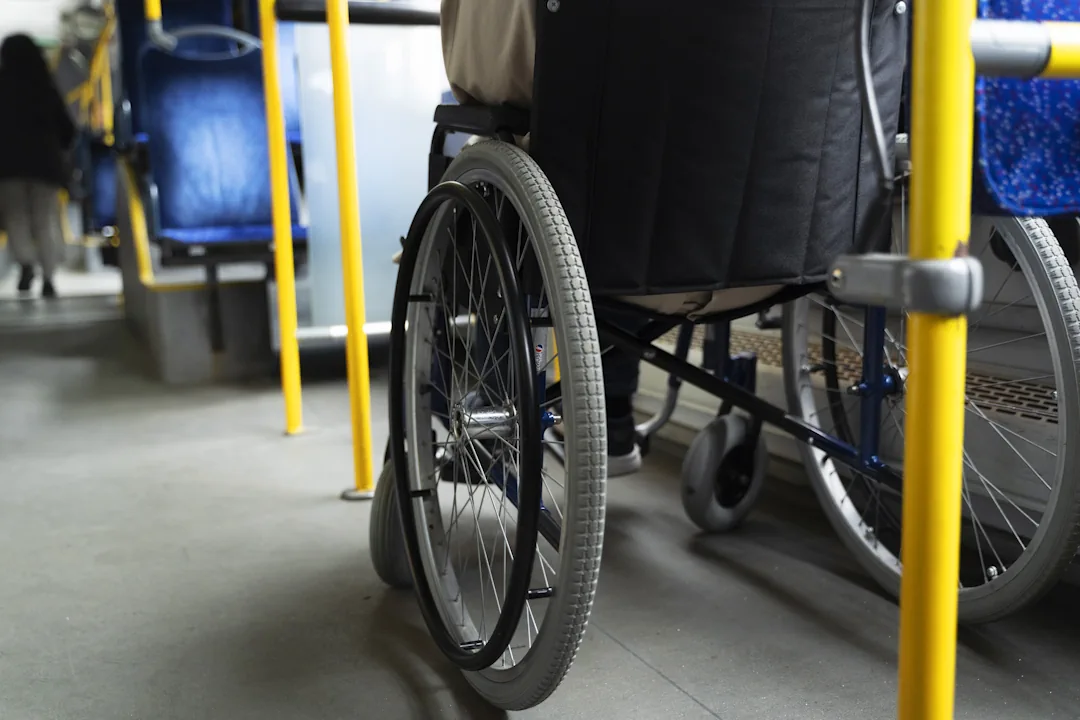
How tolerant are Ukrainians toward people with disabilities? Rating Group and Project HOPE Ukraine explored this question within the framework of the Rehab4 project. To do so, Rating Group conducted a survey among the adult population in six regions of Ukraine: Dnipropetrovsk, Zhytomyr, Ivano-Frankivsk, Odesa, Rivne, and Cherkasy oblasts.
Level of bias
The stigmatization index stands at 30 points, indicating a moderate level of bias toward people with disabilities across the six surveyed regions of Ukraine
This moderate level is driven primarily by compassion–pity and by perceptions of people with disabilities as a burden. As a result, there is a risk of paternalistic attitudes in which people with disabilities are viewed as objects of assistance rather than full and autonomous individuals.
Visibility of people with disabilities
- 70% of respondents see people with disabilities often or daily.
- Among those who do, this most frequently occurs on the streets (82%), in shops (59%), and in public transport (48%).
Declarative tolerance VS hidden biases
- Around 90% of respondents say they are willing to accept people with disabilities as neighbours, friends, or acquaintances; 86% — as colleagues; and 75% — as partners.
- At the same time, many believe that society overall holds a neutral attitude toward people with disabilities. This discrepancy may indicate the presence of latent biases masked by socially desirable responses.
- The emotional perception of veterans with disabilities differs from that of civilians with disabilities: toward the former, respondents most often feel gratitude (64%), compassion (47%), and pride (37%); toward the latter — primarily compassion (73%), as well as pity (36%), and feelings of sadness or sorrow.
Structural barriers and responsibility
- We asked respondents to evaluate various opportunities in Ukraine in general, and specifically for people with disabilities, on a scale from 1 (no opportunities) to 5 (all opportunities), and calculated the average scores. This makes it possible to compare conditions for different groups of citizens: the largest gaps appear in opportunities to engage in sports (4.0 in Ukraine overall vs. 3.4 for people with disabilities), spend leisure time (3.8 in Ukraine vs. 3.5 for people with disabilities), and find a job (3.1 vs. 2.5).
- We also asked respondents to assess the state of certain initiatives/infrastructure areas in their locality on a scale from 1 (terrible) to 5 (excellent), and again calculated average scores. The most critical situations concern transport accessibility for wheelchair users and the accessibility of government websites for blind people — both received ratings of just 2 out of 5.
- Respondents primarily believe that the responsibility for addressing issues affecting people with disabilities lies with local authorities (83%). Responsibility is also frequently attributed to central authorities (39%).
Methodology
- Fieldwork dates: 14–24 August 2025
- Survey method: CAPI (Computer-Assisted Personal Interviewing — face-to-face interviews using tablets)
- Sample size: 600 respondents
- Sample format: Population of Ukraine aged 18 and older in six regions: Dnipropetrovsk, Zhytomyr, Ivano-Frankivsk, Odesa, Rivne, and Cherkasy oblasts.The results are weighted using current data from the State Statistics Service of Ukraine.


.webp)